

Liggett Origins
The study of the many possible origins of our surname were conducted across several available sources. Because of the many variations of the surname, and the fact that most are not genetically connected, highlights the complexity of genealogical research. The story of our ancestors has been a revelation. Come with us as we uncover some fascinating facts about the Liggett surname.
Click on images to enlarge
AD70
Patrynomical
"Relating to, or derived from the name of one’s father or paternal ancestor"
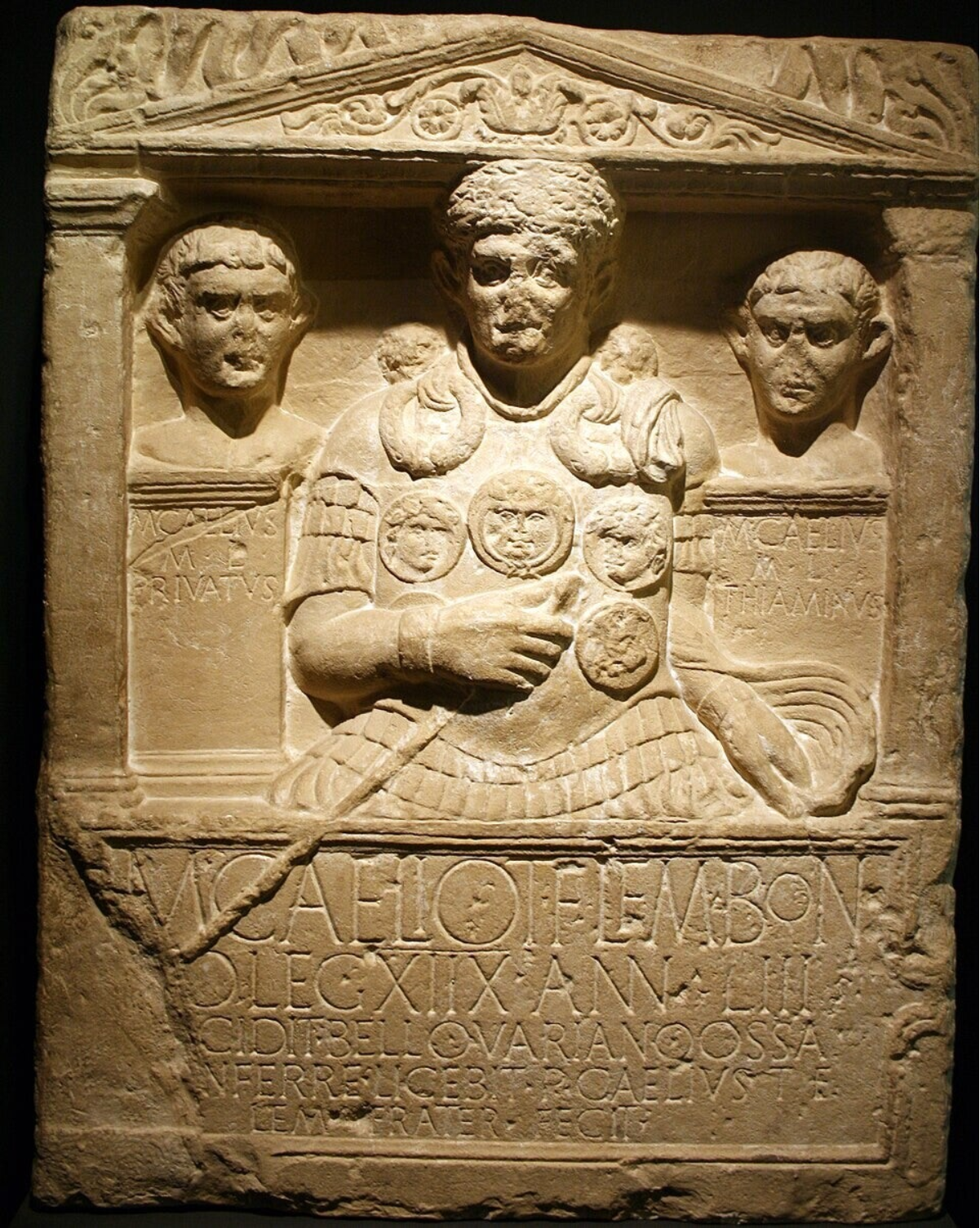
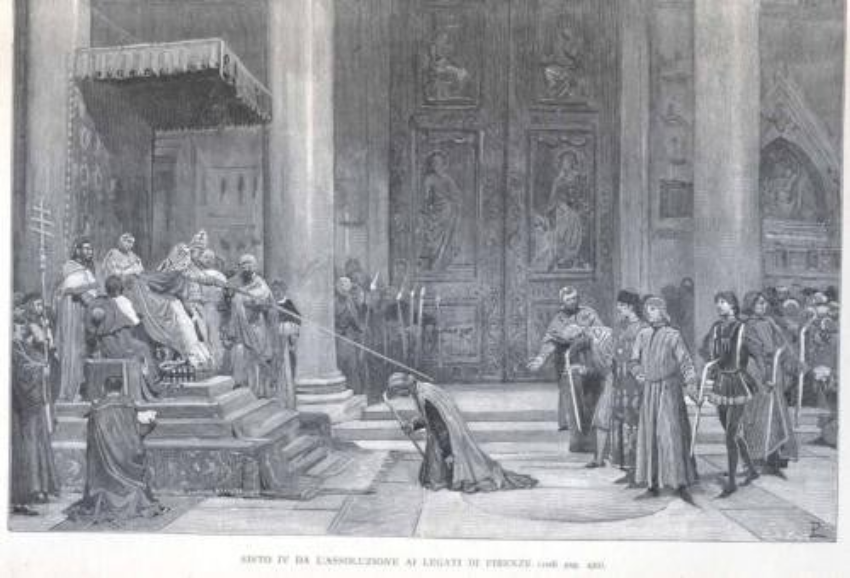
Osbourne Legatus Regis was a diplomatic agent of William the Conqueror and held estates in Lincoln in 1086AD. From him descend the family of Legat or L’Enveyse of York and other English counties.
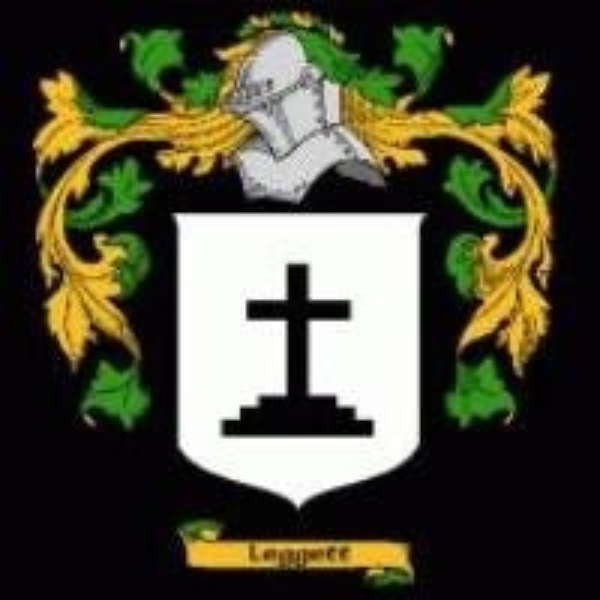
Burkes Family Index lists “Legard” in the British Peers and Baronets (1970) and also lists ‘Leggett’ in their records of families who are authorised to bear arms - and derivations thereof including ‘LIGGETT’ with the motto ‘Jesus Hominum Salvator’ Jesus, Saviour of Man.
Locational
"Relating to, or derived from the place associated with the individual’s ancestry"
There are several references to the name William de Liddegate (inq) - 1255AD, Robert Lidegate (Close Rolls) - 1286AD and Benedict del Lidegate (Inq PM) - 1324AD.
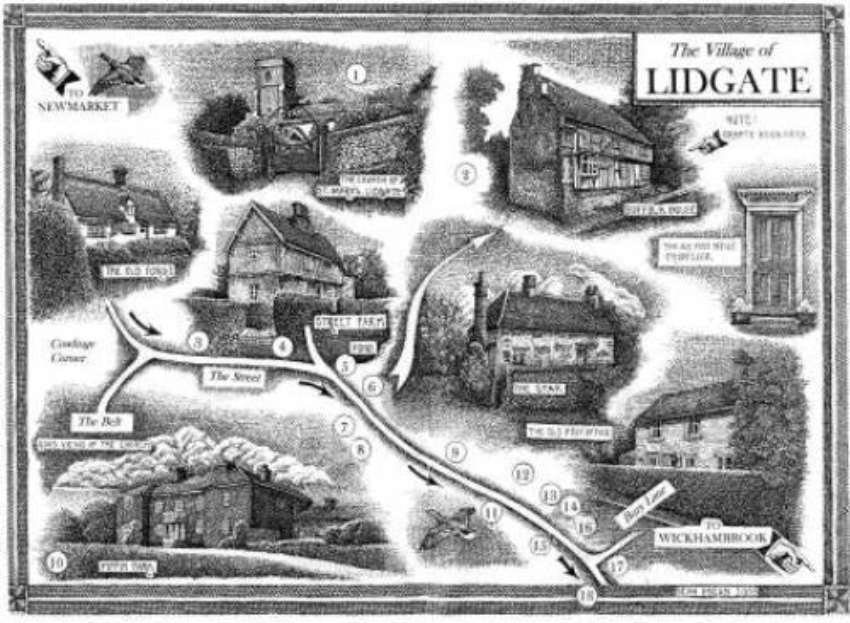
There exists a place called Lidgate in Suffolk, England as well as a place called Lydiate in Lancashire. This local Old English name was derived from the common words ‘Lid’ and ‘Gate’ - therefore the surname’s owner was named because they were ‘the dweller by the covering or gate’ - 1300-1400AD. In Scotland, a place called Lidgate near Lauder, Berwickshire was recorded in 1170AD.
There exists a town in county Kerry, Ireland called ‘Baile Mac Liogaid’ or Ballymaceliggott. After some research, it was discovered that a derivative local name was McElligott and was a famous name in the county. There is a small mining town in Kentucky right on the Tennessee border called Liggett. It was a mining town probably named after the company’s owner. Perhaps even related to the quarrying Liggett’s from Tyrone who fled Ireland in the 1790s.
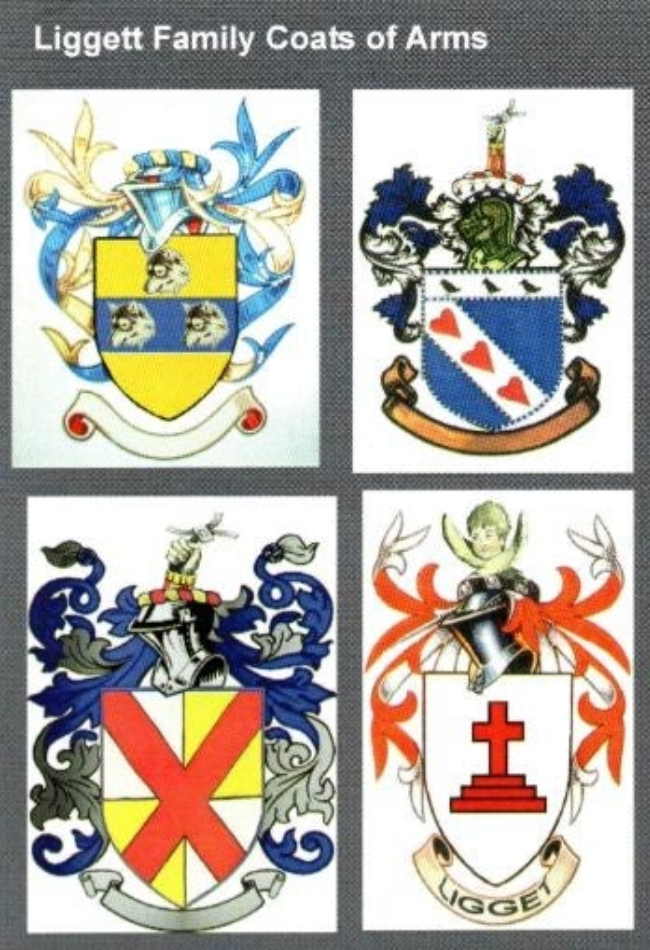
Modern Surnames
Before 1650 most people were rarely of any economic importance to be recorded. It was only when people began to explore new lands and bring back wealth and treasure, that the Kings and Governments of the day sought to get a part of it, and in so doing, ensured that as individuals we could be identified and recorded in some organised fashion. A trend that continues to this day.
With most people being illiterate, we depended on others to write what they heard or translated.
Given the possible explanations of our surname one might be tempted to give up in despair. It is true that for over 99% of the world’s population, tracing a direct male bloodline back further than 1650AD is virtually impossible - unless you are a King or Queen.
Legates might have been sufficiently important to have been recorded due to their links with the Pope, Royalty etc., however, it is unlikely that many Lidgates were of any real importance to record as they were mere commoners - ‘dwellers by the gates’ back in 1300AD.
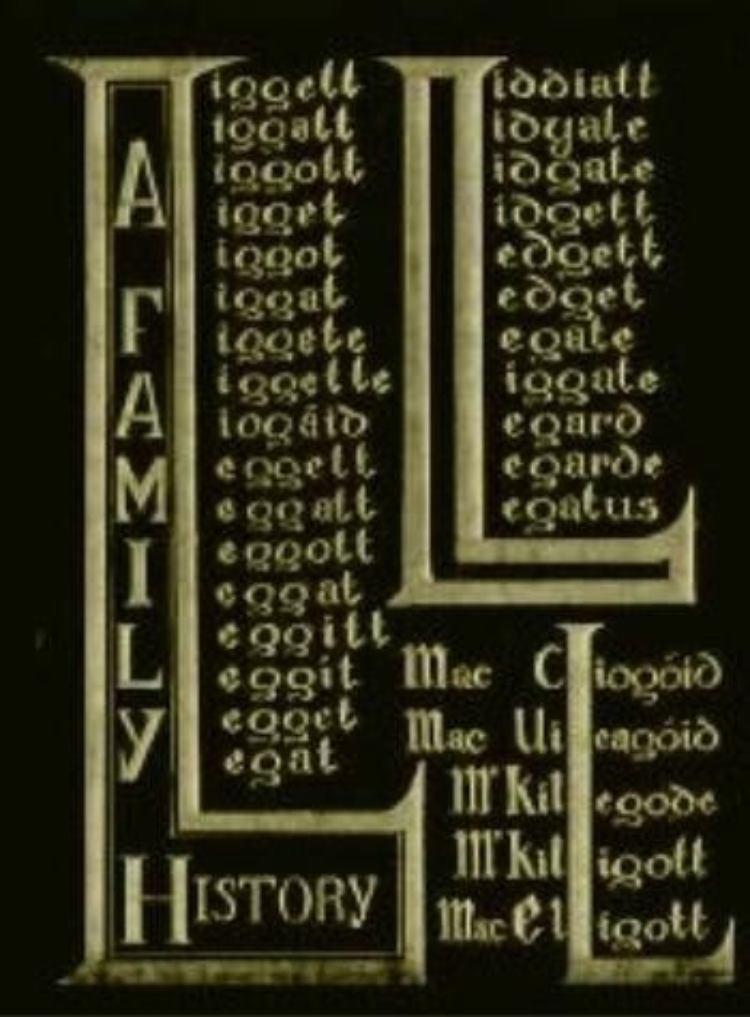
However, knowing that different spellings of the same surname are a common occurrence, it is not surprising that dictionaries of surnames indicate over 60 probable spellings of the Liggett surname.
Although bearers of the old and distinguished Liggett name comprise only a small percentage of individuals living in the world today, there may be a large number of our direct relatives who are using one of the Liggett surname variables.
The Liggett DNA
The only true way of discovering our roots is through proper genetic tracing, something that DNA fingerprinting can provide. Possible relatives on the Liggett line could then include all those of similar surnames and a process of elimination would verifiably lead to a possible international answer to our search.
Chromosomes are packets of DNA contained within the nucleus of your body’s cells. Most come in pairs inherited from your mother and father (X & Y). However, the Y-chromosome is the exception; only males have it and they inherit it from their fathers. It is the ‘sex-determining’ gene, and without it all embryos would remain female.
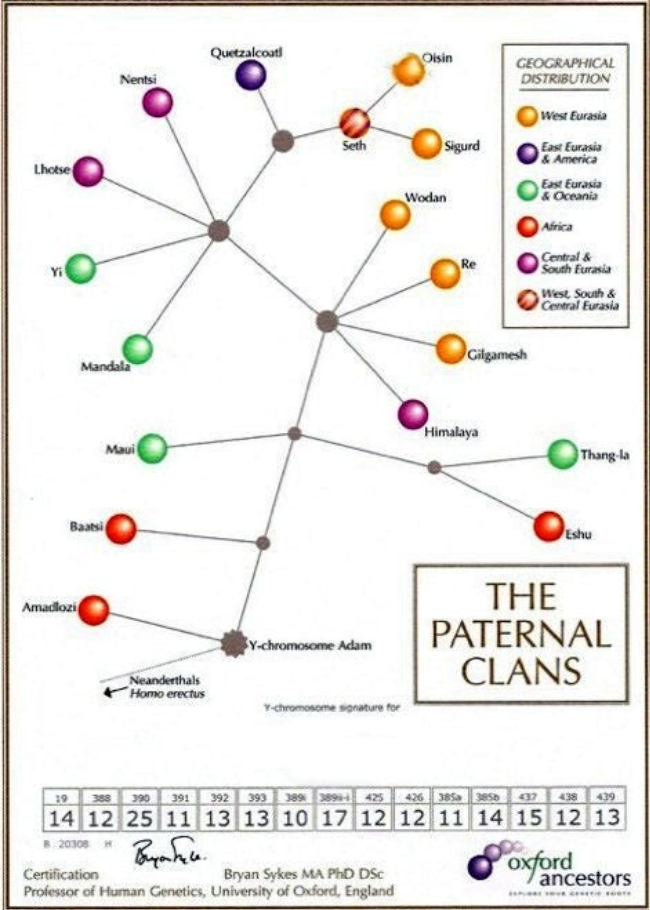
In August 2006 we got the results from a saliva swab taken from my father which finally showed the paternal (male) bloodline to that of a man who settled in Britain in ancient times with a marker band of DYS425.
We are descendants of the Wodan Clan and are of Anglo Saxon or Danish Viking origin. The match belongs to a group which is prevalent in southern and eastern Britain, reaching its highest frequency in men from East Anglia. The Liggett gene has been identified as L1c.
When the Danish Vikings invaded Britain in the eighth century they displaced many of the original Saxon tribes and dramatically changed the language especially in the south and east, including East Anglia. Our distant forefather, passed his unique Y-chromosome marker through his sons and grandsons virtually unaltered through time to us today.
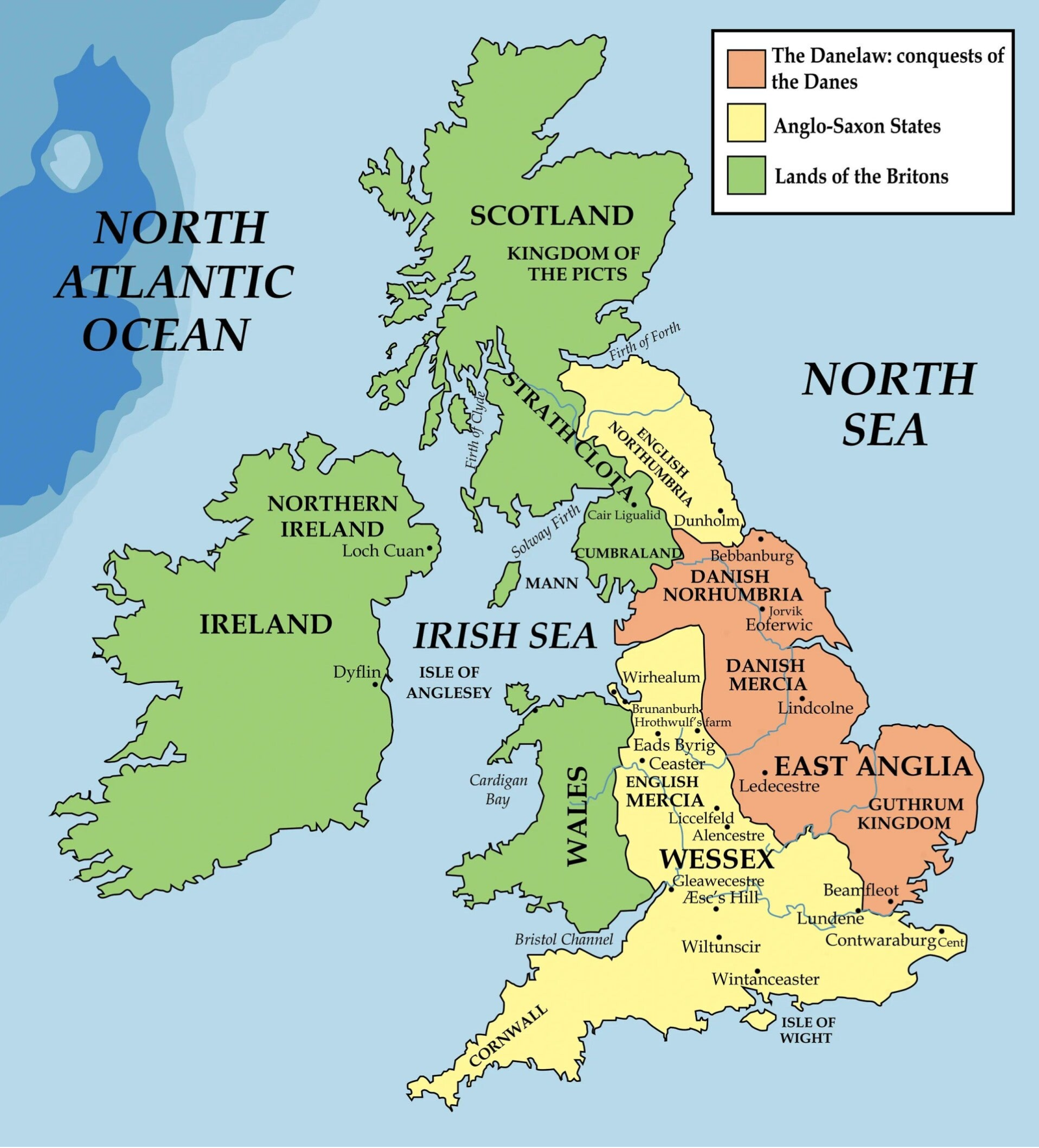
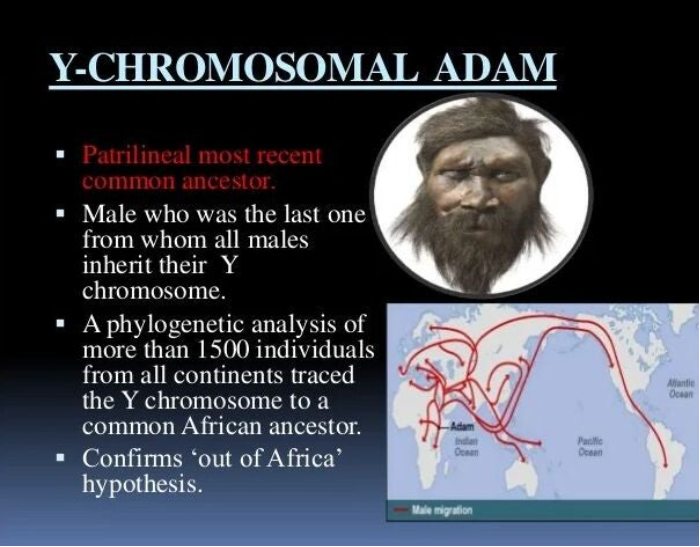
The ancestral father, through whom all men are related is known as the “Y-Chromosome Adam”. It is through him that we are all related to each other.
There are 15 clusters or ‘clans’ of people in the world with a unique identifiable DNA which vary across geographical regions in the world going back thousands of years. The vast majority of native Europeans belong to six clans: Oisin, Wodan, Re, Gilgamesh, Eshu and Nentsi.
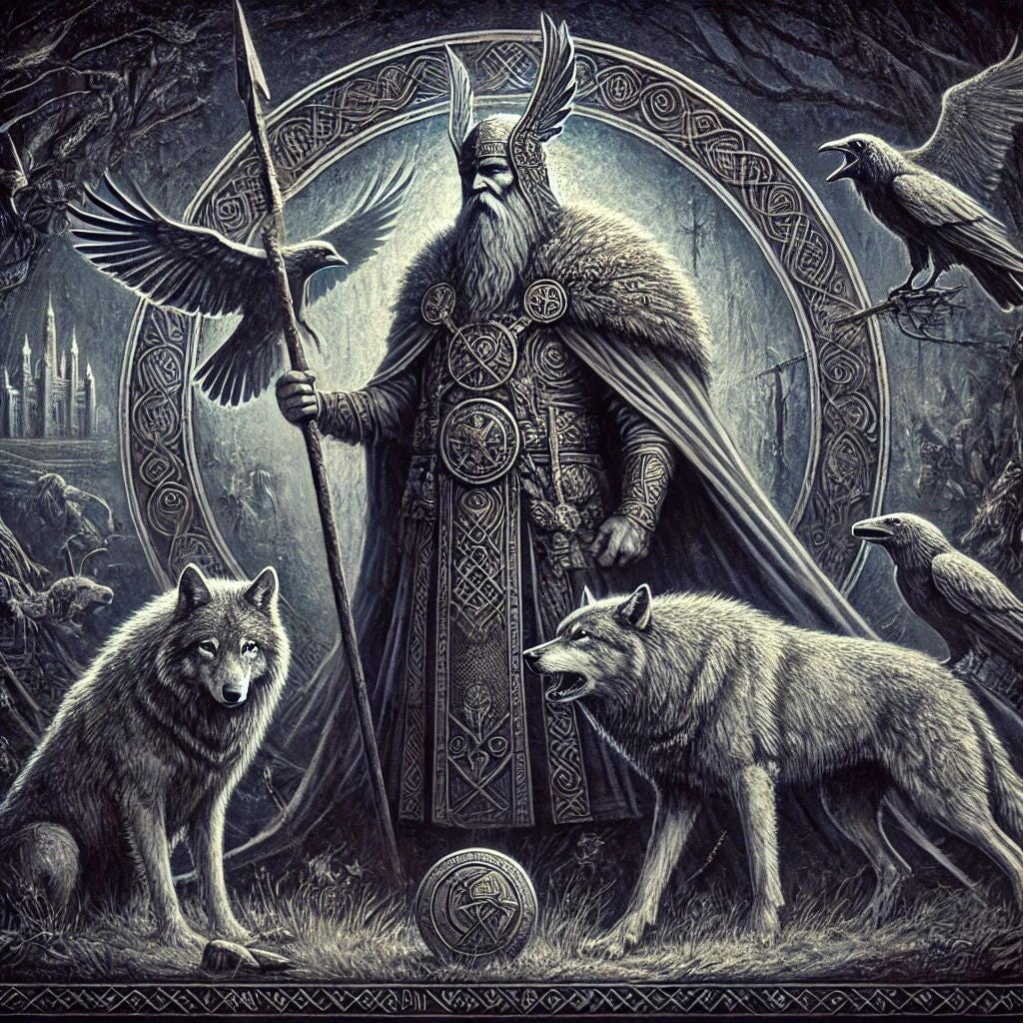
The clan of Wodan is thought to have originated around 20,000 years ago in the Middle East and spread to parts of northern and central Europe by 10,000 years ago. It is interesting to note that the principle Saxon god was called “Woden” whilst the Vikings worshipped “Odin”.
Create Your Own Website With Webador