

Notable Liggett Ancestors
Click on images to enlarge
Bartholomew Legate (1575-1612)
Bartholomew Legate was the last heretic burned at the stake in England. He rejected the celestial origin of Our Lord’s body and by 1604 had reached the opinion that Christ was a “meere man, as were Peter, Paul or I; onely...borne free from sinne, and termed God, in scripture, not from his essence but from his office”.
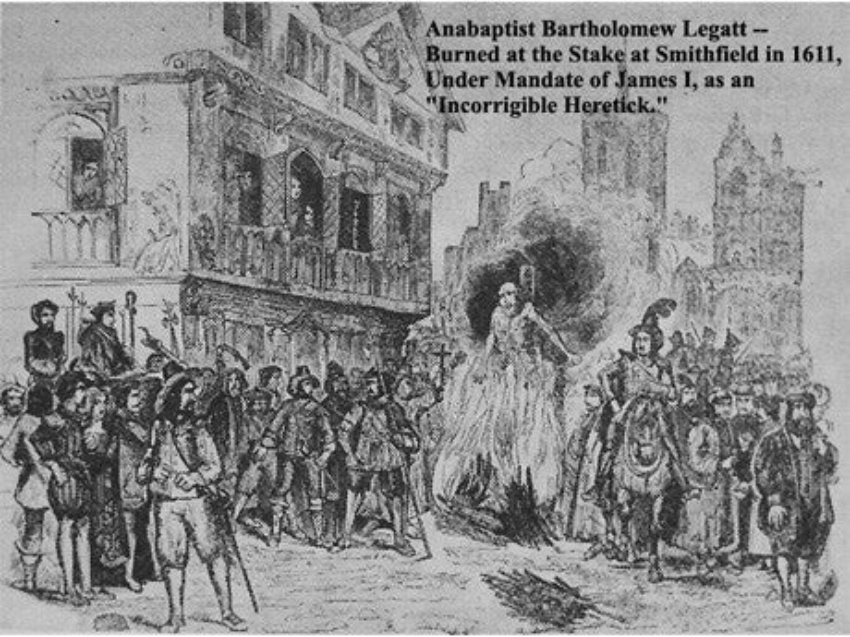
In 1611 proceedings were taken against Legate and he was held in Newgate prison. King James 1st invoked Legate to change his beliefs many times. Thirteen articles of heresy were laid against him and he was sentenced by the Bishop of London John King.
He refused all overtures for his recantation; and around mid-day on 18th March 1612 he was burned to death before a vast conflux of people at Smithfield in London aged about 40 years old.
General Hunter Liggett (1857-1937)
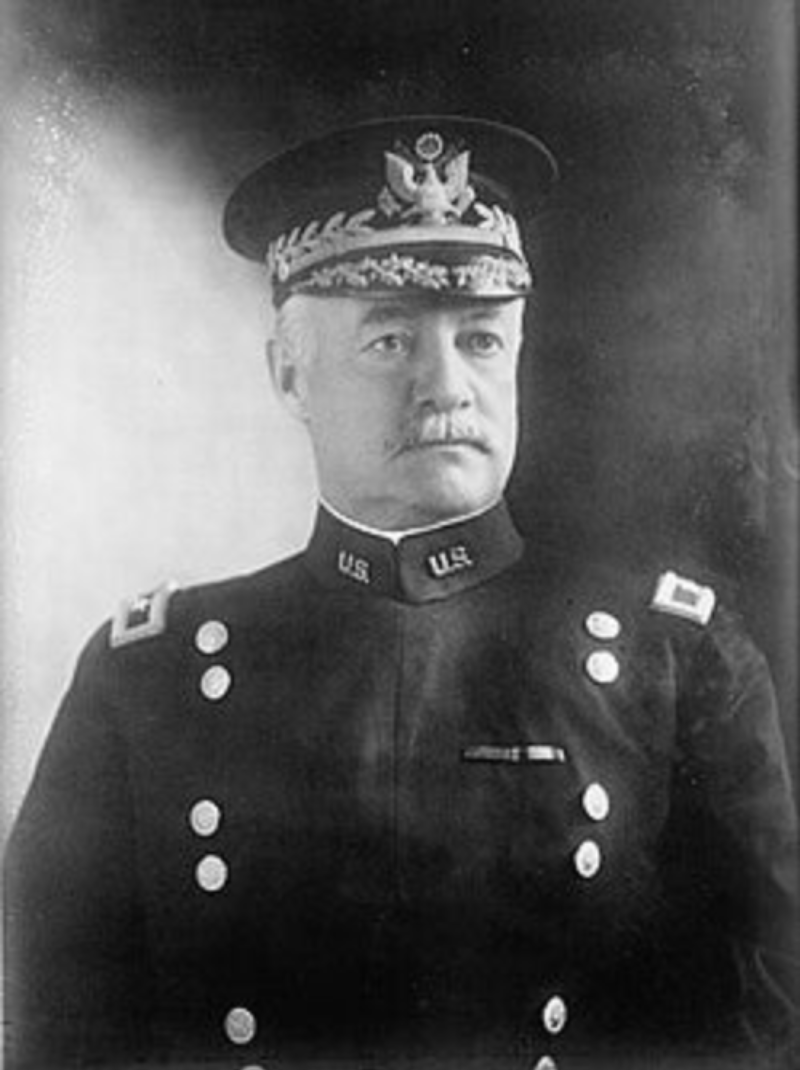
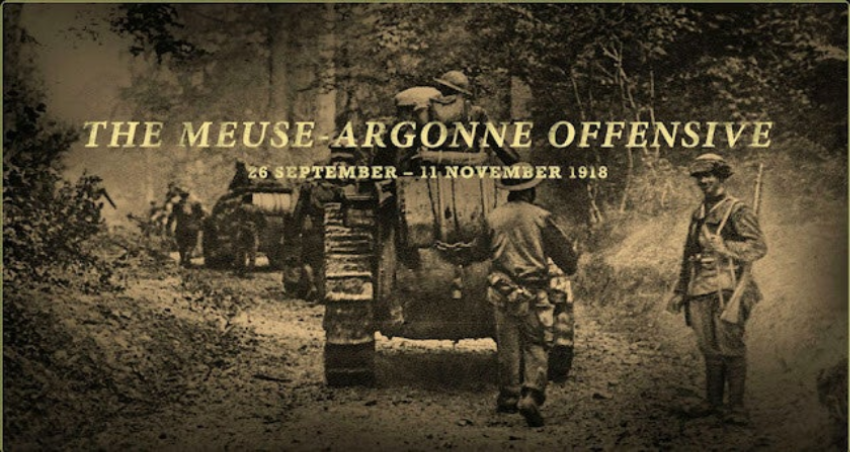
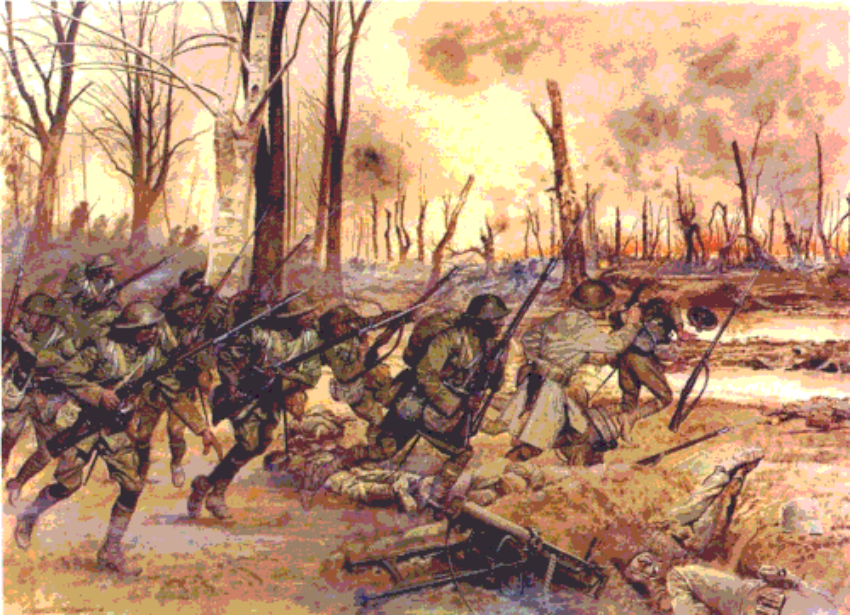
Thirty seven divisions of troops, spearheaded by 700 tanks and 800 aircraft would slice through the forests of the Argonne towards Sedan, cutting a railway that would be one of the main German lines of retreat. Over one million allied troops were now assembled under his command. They continued their advance, loosing 120,000 men to German gunners, and by 1st November 1918 they prepared the ground with half ton shells fired from naval guns mounted on railway wagons. Over 36,000 mustard gas shells were also fired.
The Germans fell back and seeing Sedan within reach, Pershing wanted the Americans to have the honour of entering it, even though it was in the French sector. In the end, General Hunter Liggett invited the French to enter Sedan on the very day WW1 ended 11th November 1918.
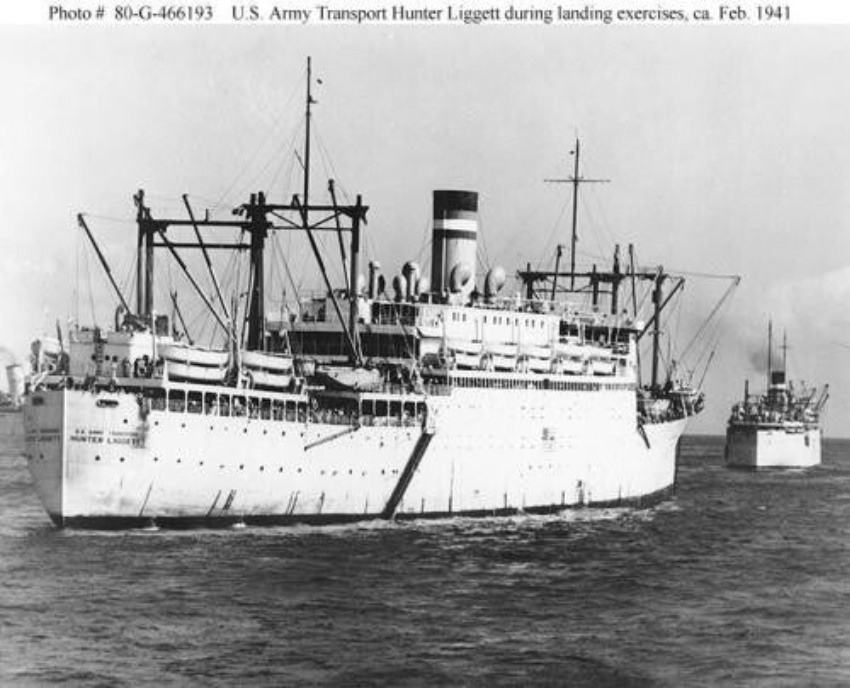
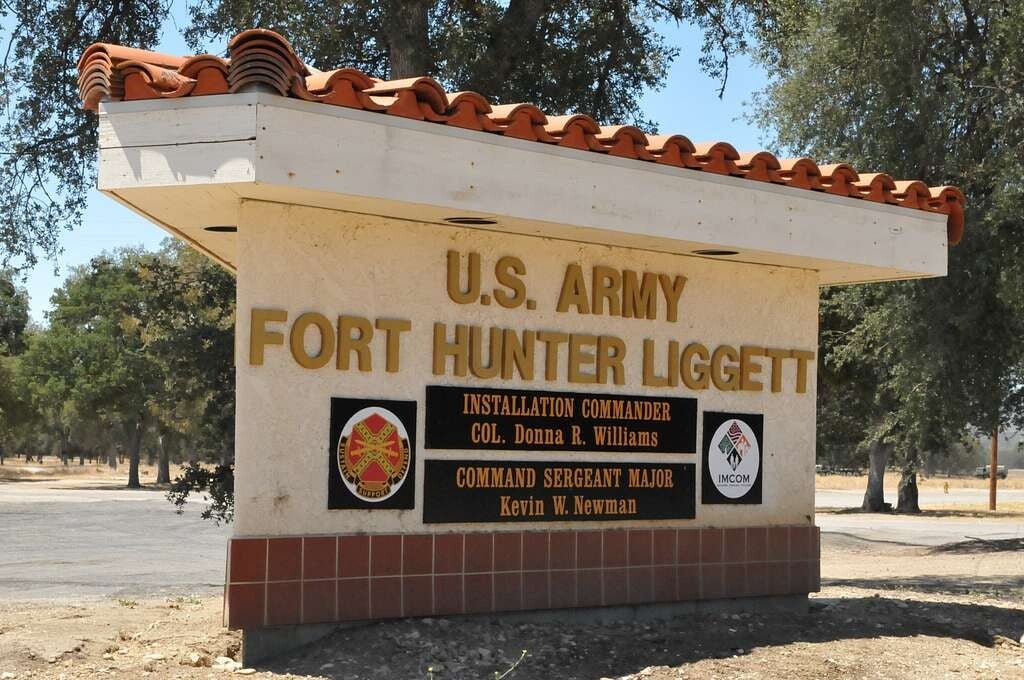
His name lives on and, an Army Training Camp opened in Monterey, California in 1941 dedicated to his memory called Fort Hunter Liggett. During WW2 several naval warships were also named after him.
In 2001, I was lucky to visit this area near San Diego in Southern California where I witnessed the US Army and Navy carry out training operations and got close to the base.
At the time I pondered the thought that Hunter Liggett may have been a distant relative of the folks who fled Tyrone during the 1798 uprising and continued the family history of enlisting in the military against rebellious insurgents...interesting thought???
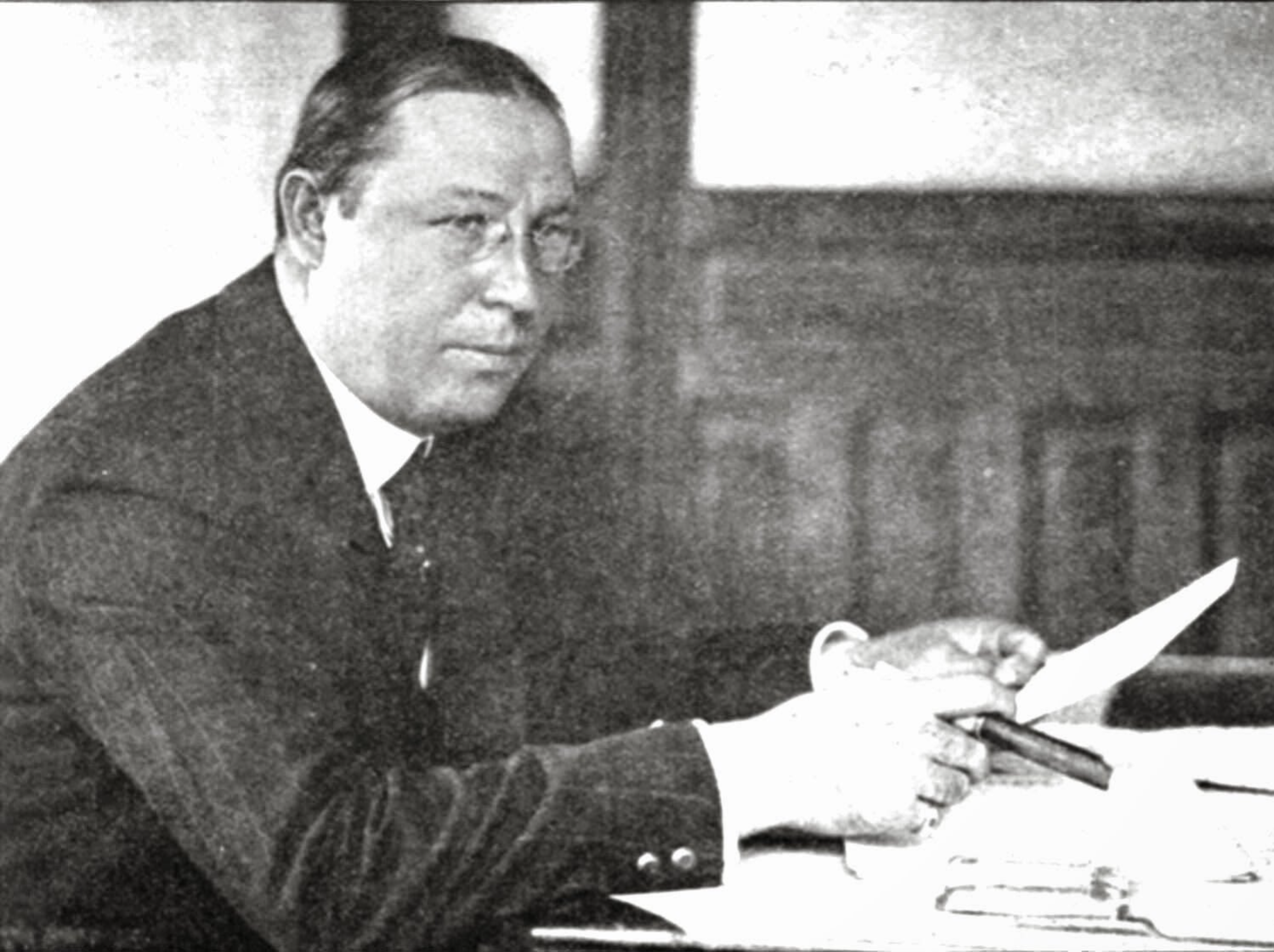
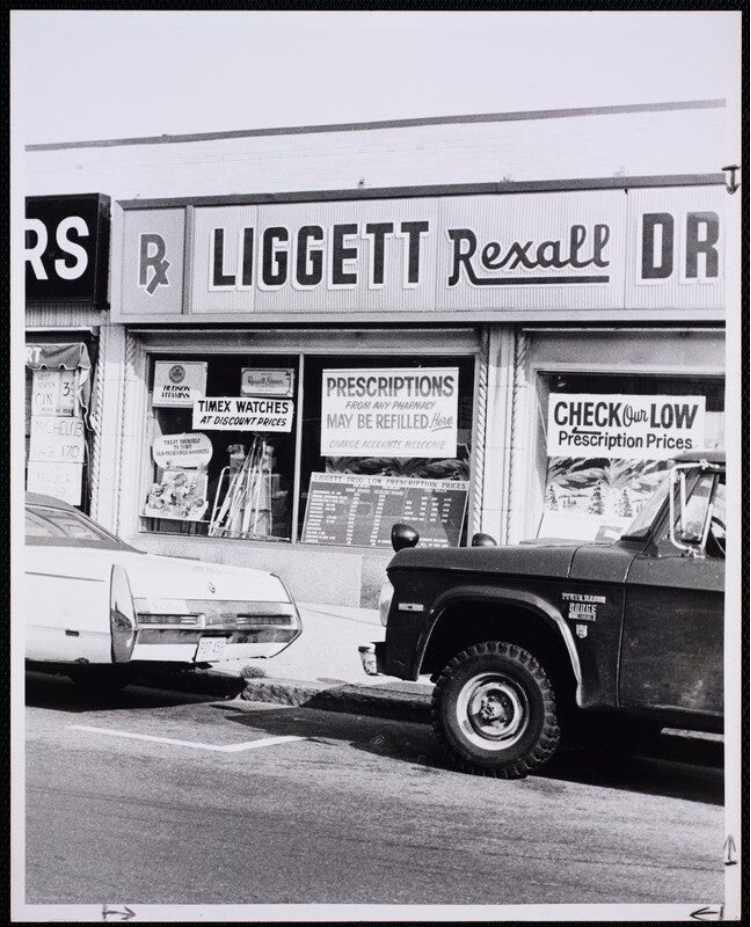
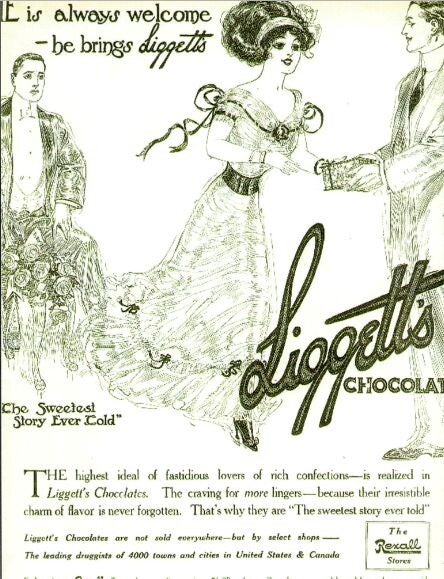
Louis Kroh Liggett (1875-1946) - Liggett's Chemists
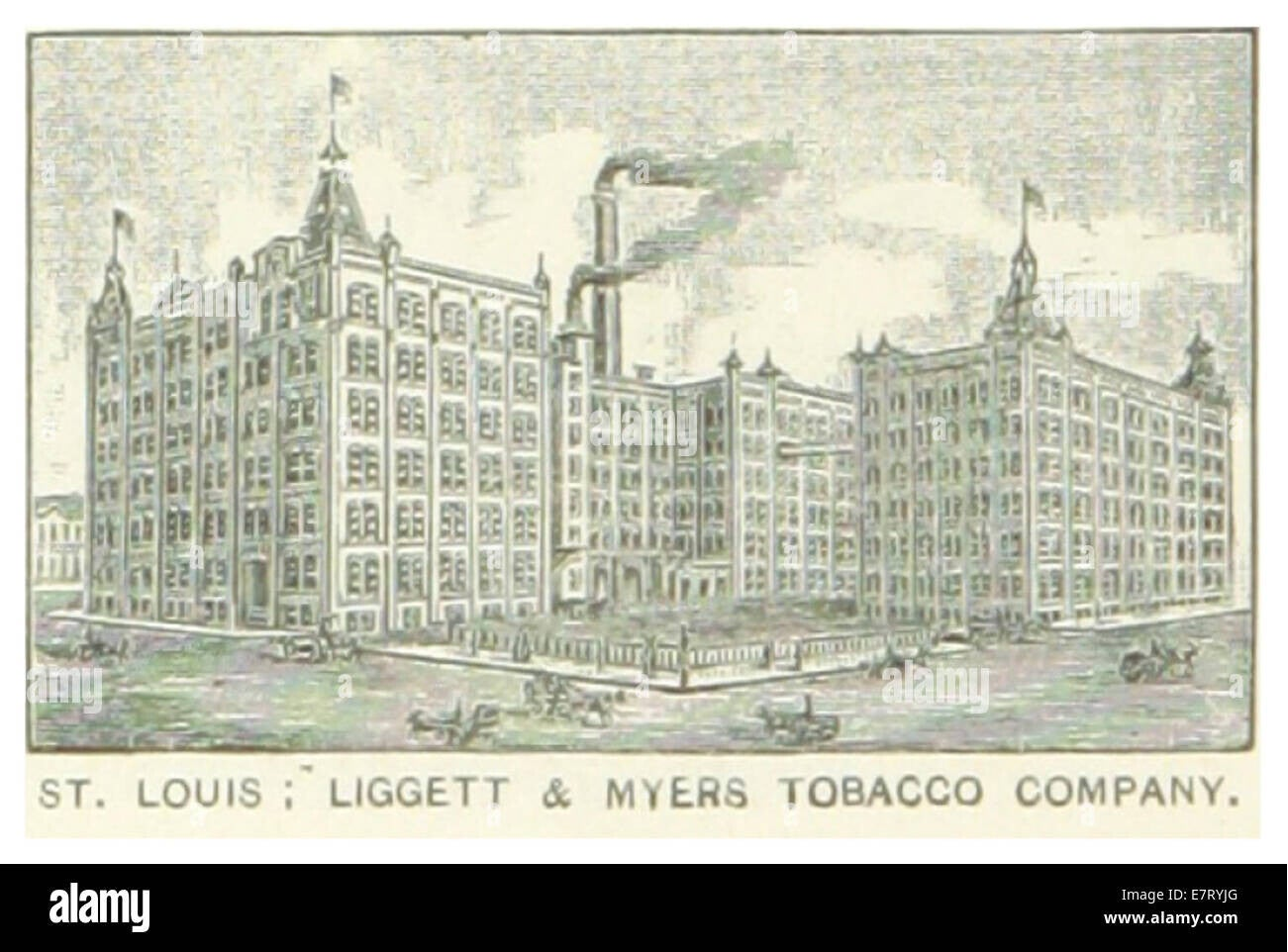
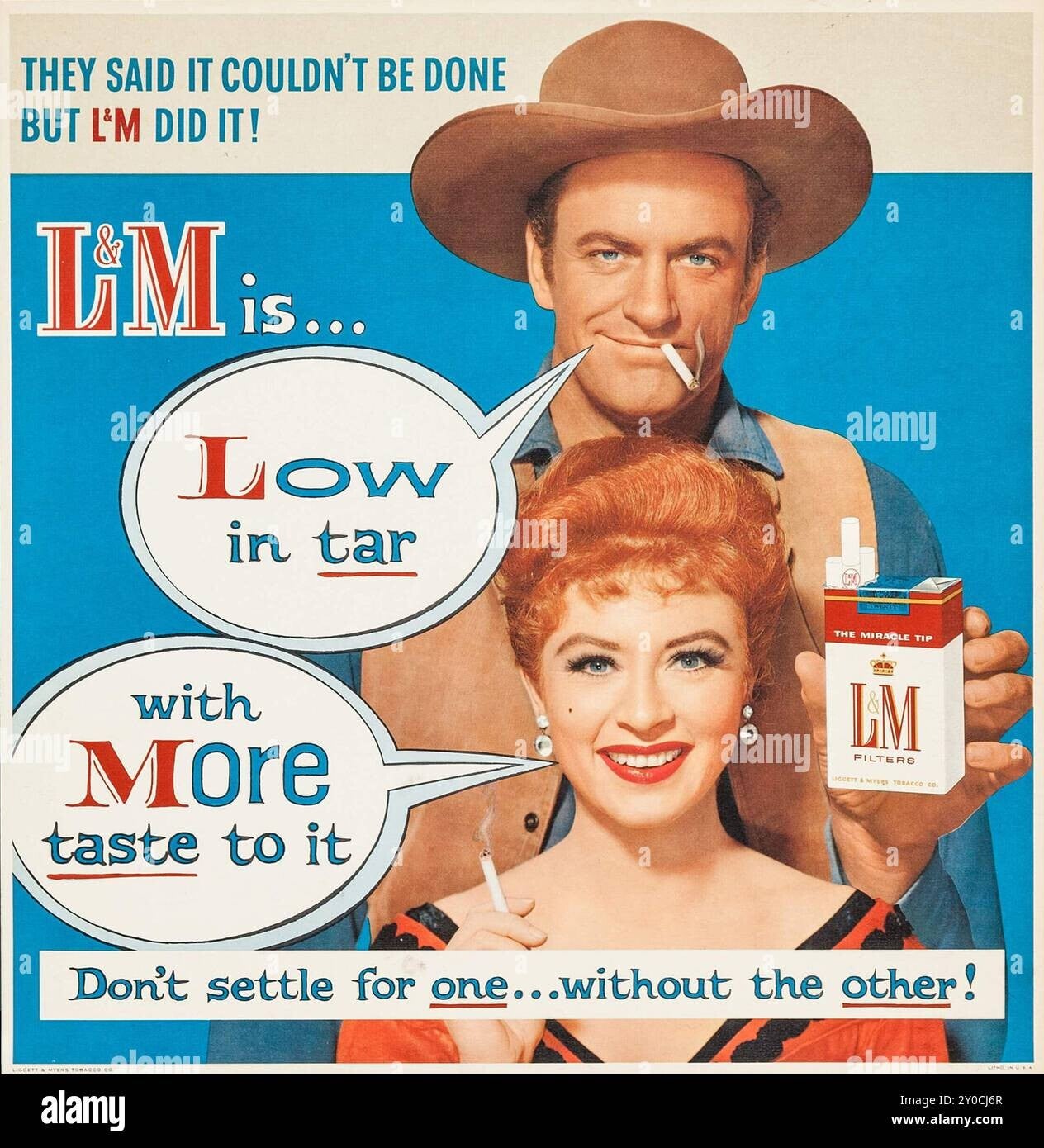
John Edmund Liggett (1826-1887) - Liggett & Myers Cigarettes
John Edmund Liggett inherited his grandfather’s ‘snuff’ business in 1847 in St Louis, Illinois, USA and called it JE Liggett & Brother in 1858. George S Myers became a partner in 1873 and the name Liggett & Myers “L&M” first appeared in 1878. By 1885 the partnership had become the largest manufacturer of plug chewing tobacco in the world. Twelve years later Liggett died.
In 1899 Liggett and Myers was absorbed into the American Tobacco Company after a split up was ordered by the US Supreme Court. Liggett & Myers became one of the separate entities. The L&M Brand of cigarettes can still be bought to this day.
Other Liggett Products
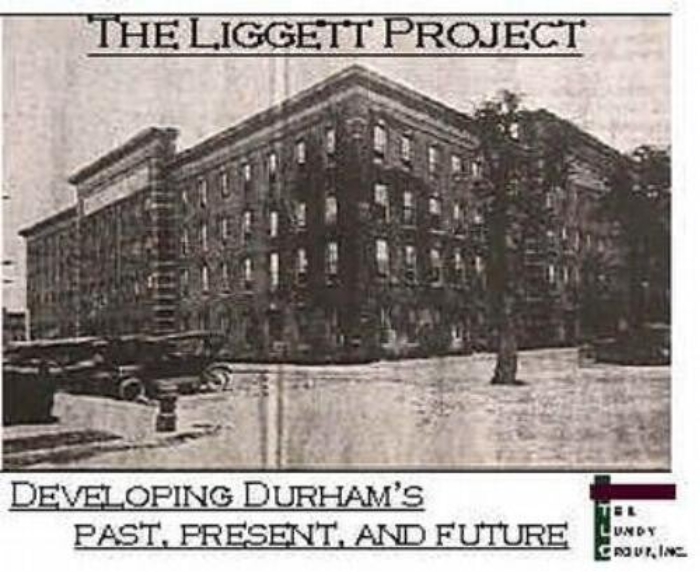
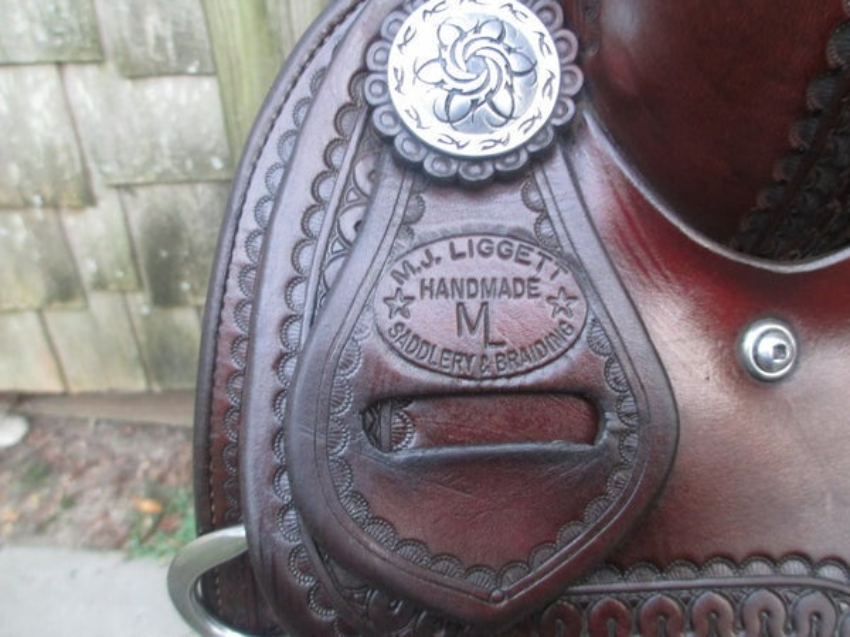
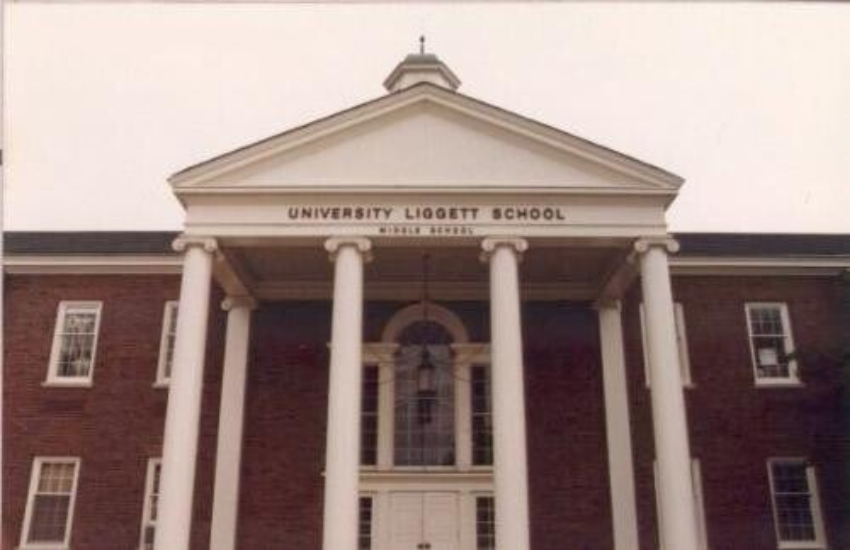
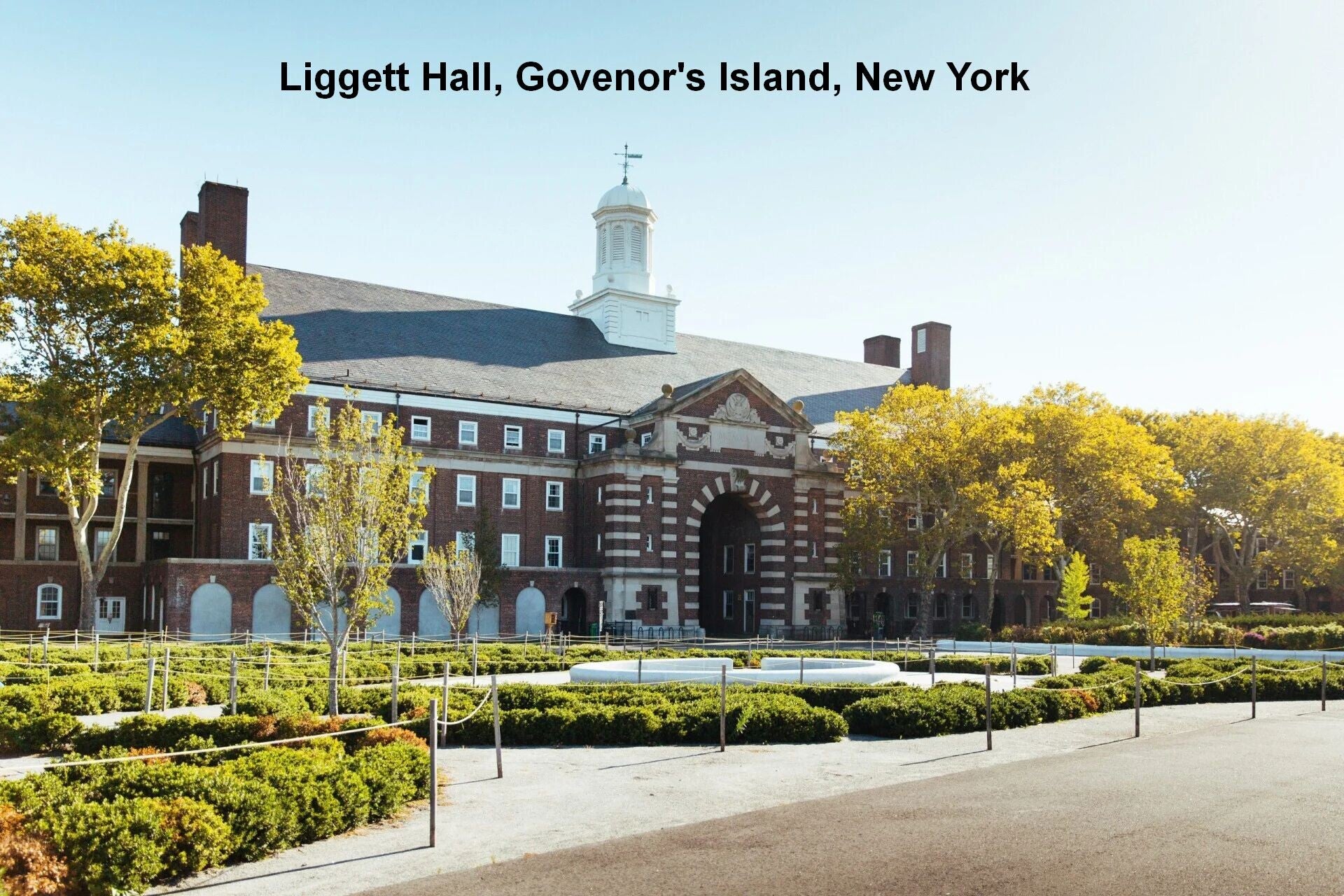
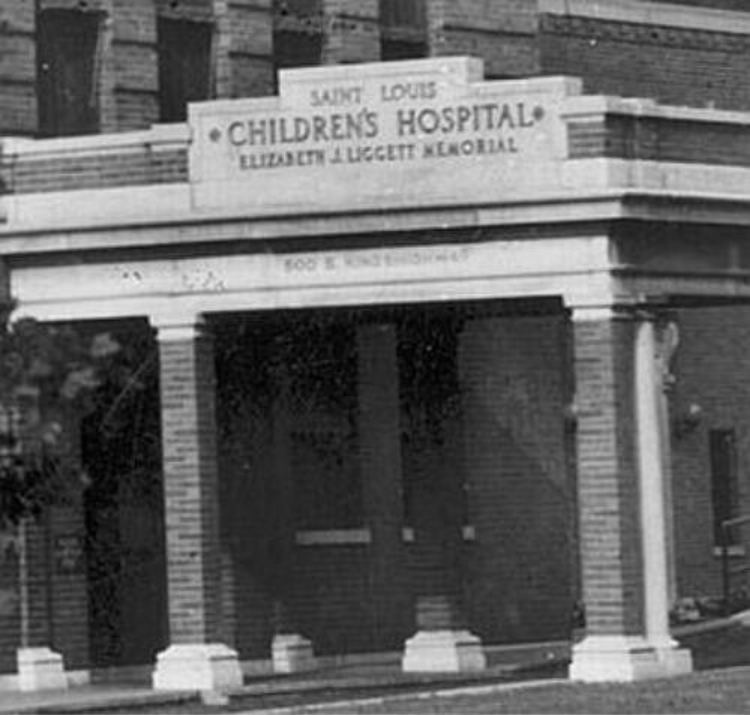
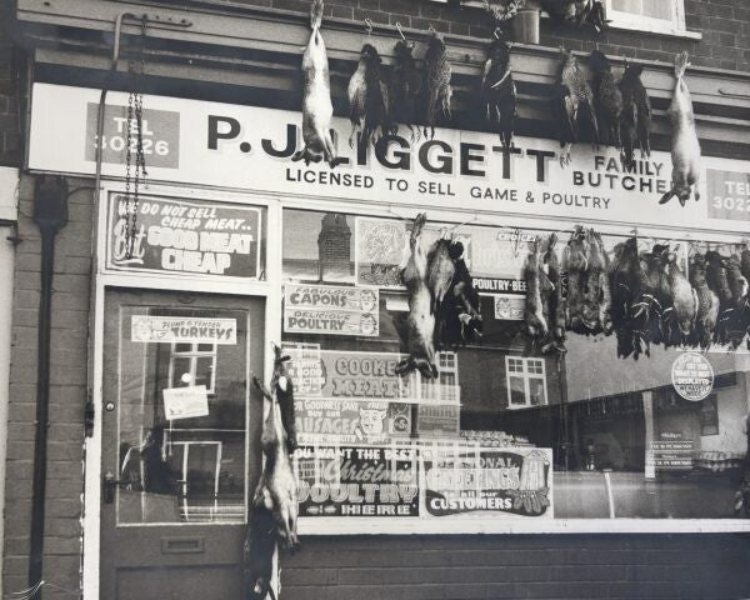
Whilst the best known and most prominent Liggett stories are dealt with above, several other lesser known Liggett achievements have resulted in the name appearing on other products, inventions and places. Check out the list below for a brief selection.




Create Your Own Website With Webador